 Laundry and dry clean
Laundry and dry clean
Laundry and dry clean
Summer stain removal in Sydney comes down to three things. Get to the mark early, keep heat away from it, and know which stains a home remedy will make worse. Fake tan, sunscreen, deodorant, red wine and grass are the five that ruin event outfits between October and March, and each one needs a different approach. For a quote, email info@washmate.com.au.
Sydney event season runs from the spring racing carnival through school formals, weddings and Christmas parties, and it happens in heat. Warm skin means more sunscreen, more tan, more perspiration and more sticky drinks, all landing on the least washable clothes you own. This guide covers what each summer stain actually is, what to do in the first ten minutes, and where a professional can genuinely rescue a garment.
Heat is the difference. Warm fabric absorbs oils faster and holds them deeper, so a mark that would sit on the surface in July soaks into the fibre in November. Most summer stains are also oil-based rather than water-based, which means water alone spreads them. Add strong sun, and many of them oxidise. An invisible fresh mark becomes a permanent yellow-brown patch weeks later. Usually that happens while the garment hangs in a wardrobe, waiting for the next event.
Blot, do not rub, and never wash it in hot water. Fake tan is a double problem: a cosmetic dye that stains on contact and an oily carrier that holds the dye in the fibre. Rubbing pushes both deeper and can lift the fabric colour underneath. On a washable cotton or a lining, cool water and a gentle detergent applied from the back of the fabric will lift a fresh transfer. On silk, satin, chiffon or anything structured, stop there. Send it to us with the mark identified, because home tan removers are usually strong enough to bleach the garment.
Yes, and the orange marks people blame on the wash are usually sunscreen. Chemical filters such as avobenzone react with iron and minerals in ordinary tap water and turn rusty on white and pale fabric. The mark often appears after washing rather than before it, which is why people assume the machine did it. Treat it as an oil stain, not a rust stain: never use hot water, and never use a rust remover. Professional solvent dry cleaning lifts the oil first, then the discolouration is treated separately.
Fresh white streaks brush off with a dry cloth or a clean pair of tights. The harder problem is the stiff, yellowed underarm that builds up over a season, because aluminium salts bond to the fibre and to body oil. That damage is cumulative, and once the fibres have weakened there is no reversing it. The practical answer is to have occasionwear cleaned after every two or three wears rather than at the end of summer. Our sweat stain removal guide covers perspiration marks in detail.
Blot the excess with a napkin, then leave it alone. There is a long list of party remedies for red wine, and most of them cause harm. Salt grinds the pigment further into the weave. White wine dilutes it and spreads it wider. Soda water on silk leaves a water ring that can be harder to remove than the wine itself. Blot, keep the garment out of the sun, and get it to a cleaner within a day or two. Fresh wine on wool or a lined dress comes out far more often than people expect, and it is the sugar left behind that turns brown later.
Let it dry completely, then brush it off before anything else. Grass is a plant dye combined with protein and soil, and wet brushing turns a crumb of dirt into a smear across the hem. Once the loose material is off, the green stain that remains needs enzyme treatment on cotton or solvent treatment on silk and wool. Long dresses at the races and garden weddings pick this up on the back hem, where nobody notices it until the next morning.
Foundation on a neckline is pigment held in oil, so it responds to solvent, not to water and scrubbing. Do not use a wet wipe on silk or satin. The alcohol in most wipes strips dye and leaves a pale halo worse than the original mark. Fold the garment so the mark is not touching anything else and bring it in. Lipstick is the same category, and both come out reliably when they have not been heat-set in a dryer or by an iron.
Never put a stained garment through a dryer, and never iron over a mark. Both set the stain and both are the single most common reason we cannot save something. Avoid supermarket stain pens on silk, satin, wool or anything with beading. Manufacturers formulate them for cotton. Do not soak a coloured garment overnight, because dye migration will leave a pale patch. And do not put a damp, stained dress in a plastic bag for a week, which is how mould arrives on top of the original problem.
Most fresh oil, dye and food stains come out completely. That includes sunscreen, fake tan, makeup, wine, coffee and grass, provided the garment reaches us before anyone heat-sets it. We identify the stain type, then treat it on the bench with the right chemistry for that fibre. After that we clean the whole garment, so no ring shows where the treatment stopped.
We would rather tell you what will not come out. Old oxidised sunscreen and perspiration on silk that has already yellowed usually cannot be reversed, because the fibre itself has changed colour. Dye transfer from a bled red lining into a white bodice is often permanent. Chlorine and peroxide damage takes colour out of the fabric, and nothing puts it back. We inspect every item, and if it is past saving we tell you before we start rather than after.
Summer stain removal in Sydney forms part of the cleaning price rather than a separate charge. We dry clean a dress from $28, a two-piece suit from $37 and a coat from $29. We quote specialist work on heavily marked or delicate pieces after inspection. Fabric, construction and the age of the stain all change how much bench work it needs. Everyday washable clothing goes through as laundry at $9.90 per kilo, weighed on arrival. Full details are on our pricing page, and you can email a photo to info@washmate.com.au for an approximate quote before you book.
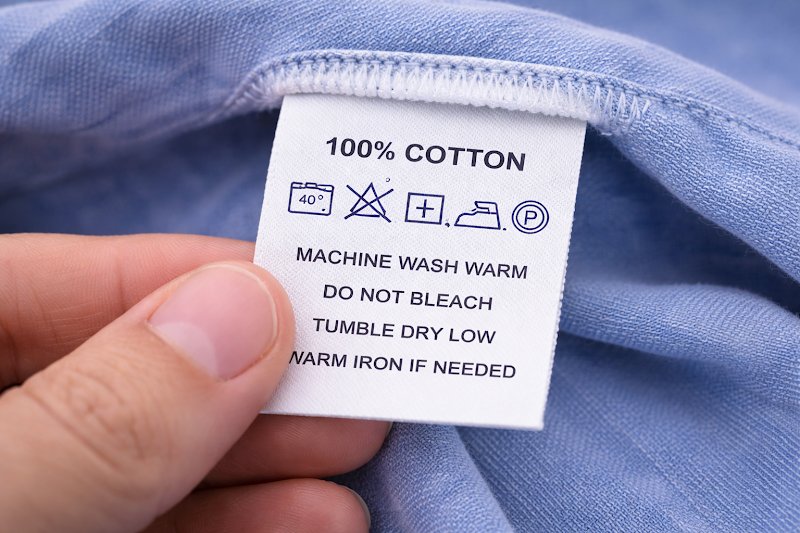
Send it as soon as the garment is delicate, expensive, structured or irreplaceable, and any time the label says professional cleaning only. That covers silk, satin, chiffon, velvet, wool crepe, anything beaded or sequinned, tailored suiting and anything you plan to wear again this season. Professional summer stain removal in Sydney starts with identifying the stain, and our specialist stain removal service does that for you. The fabric care symbols guide explains what the label is telling you. If it is fabric, ask. Send a photo or a list and we will quote it.
Blot with a clean cloth, keep it cool, and never wash it in hot water. Fake tan is a dye in an oily base, so rubbing spreads both. On silk, satin or structured pieces, send it to a professional rather than using a home tan remover, which can bleach the fabric.
Usually yes, if they are fresh. The orange marks come from chemical filters reacting with minerals in water. We treat them as an oil stain first and the discolouration second. Old, oxidised sunscreen that has yellowed in the sun often cannot be reversed.
Fresh red wine comes out far more often than people expect. Blot the excess, skip the salt and soda water, keep it out of the sun and get it to a cleaner within a day or two. The sugar left behind is what turns brown weeks later.
Stain treatment is part of the cleaning price, so a dress is dry cleaned from $28 and a two-piece suit from $37. We quote heavily marked or delicate pieces after inspection, and confirm all prices once we have seen the garment.
The sooner the better, because heat and sunlight set summer stains permanently. Standard turnaround is 3 to 5 business days, and express options are available subject to availability if you need the piece back for another event.
Event season is short and the outfits are the ones you cannot replace. Get the mark treated before the heat sets it. Dry cleaning starts from $28 for a dress and laundry is $9.90 per kilo. Pickup and delivery runs across Sydney metro seven days from $15 per order. We confirm every price after inspection. Book online, email info@washmate.com.au or call 0403 861 744.
Follow @washmate.sydney on Instagram for before-and-after garment transformations, care tips and a look behind the scenes at how our Sydney team works.